
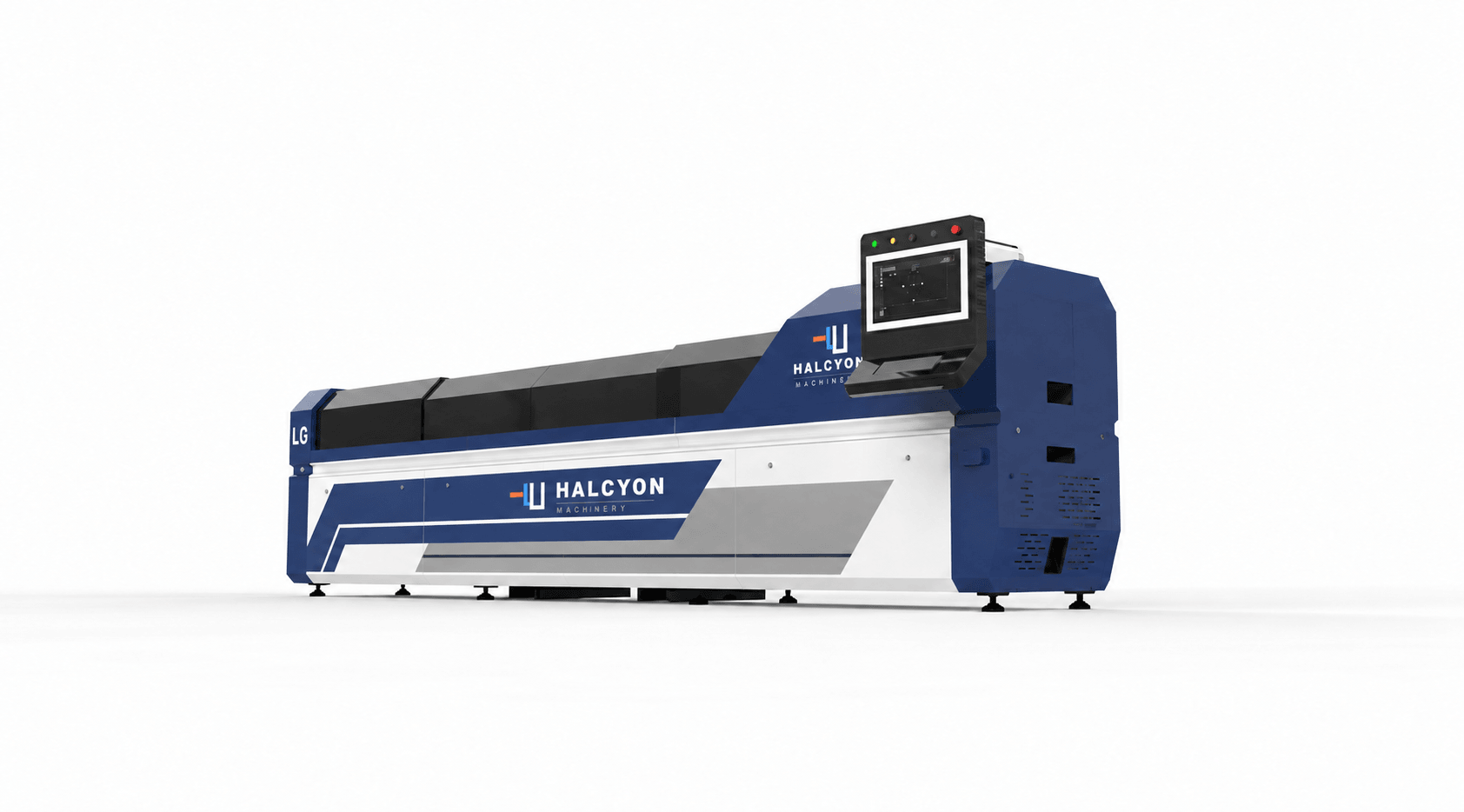
 Model HLG-2025
HLG-2025 Light Gauge Steel Framing Machine
Wall, floor and roof framing components produced from building-model data.
A steel framing machine produces cold-formed members from coil. This family includes light gauge steel framing equipment, drywall stud and track lines, and ceiling grid or furring-profile machines. Choose the route that matches the finished member and its intended use.
A drywall profile or a catalogue thickness range does not establish suitability for a load-bearing wall, floor or truss. For structural framing, supply the approved member and connection drawings, steel grade, base metal thickness and punching schedule, and agree how the proposed line and measured trial parts will be checked. Project structural design remains a separate engineering responsibility.
For partition-wall stud and track equipment, start with the light steel keel line selection guide and compare each finished profile drawing before choosing a model.
Open a model page for the specification framework. Final speed, power, stations and accuracy are confirmed against the approved drawing and the factory production team's technical proposal.
Model HLG-2025
Wall, floor and roof framing components produced from building-model data.
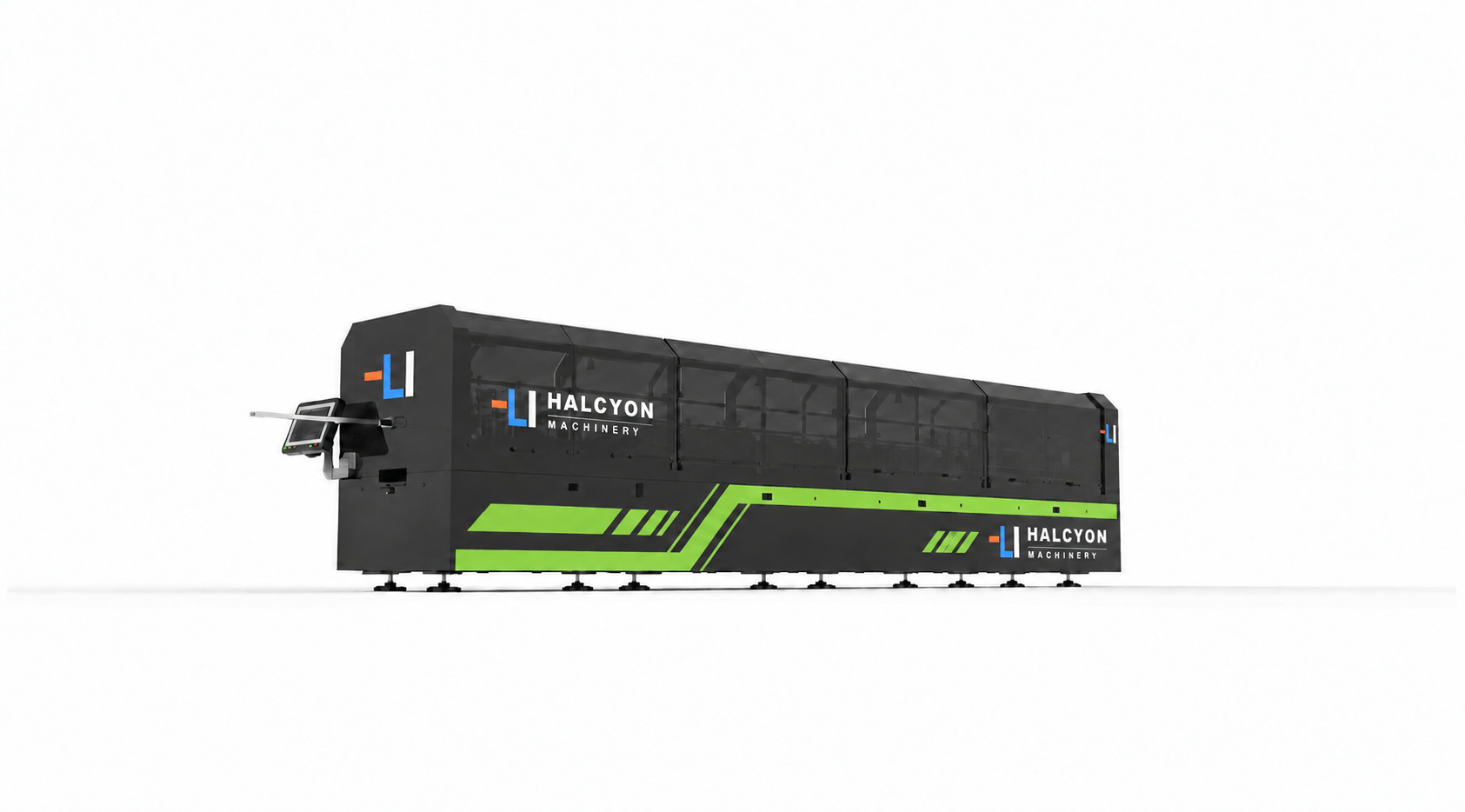 Model HSK-1400
CC/CU light steel framing-profile production, selected from the approved sections, material and hole drawings.
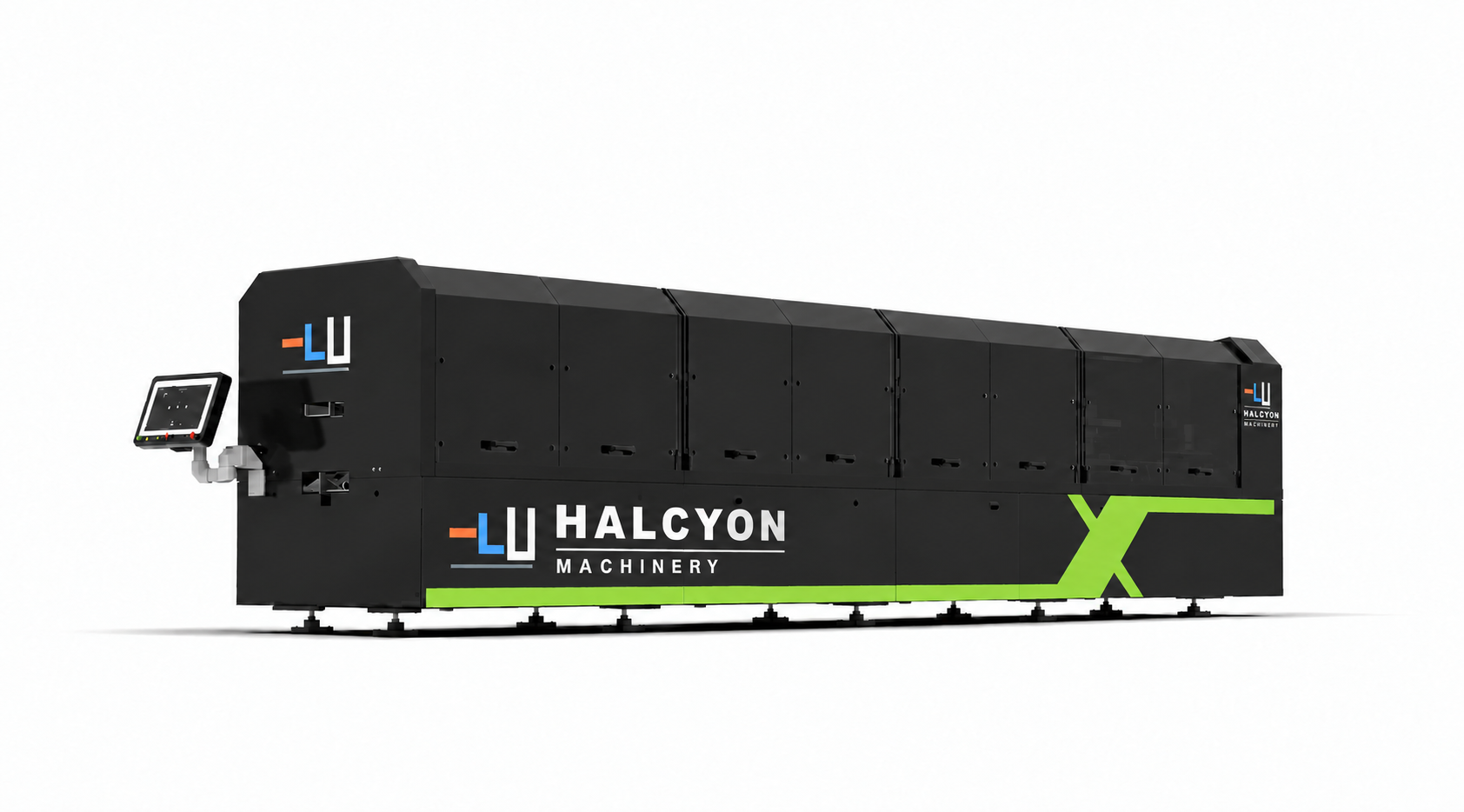 Model HSK-2000 · catalogue rendering
CC/CU framing-profile production; confirm the overall size range and separate punch-die bands against the approved drawings.
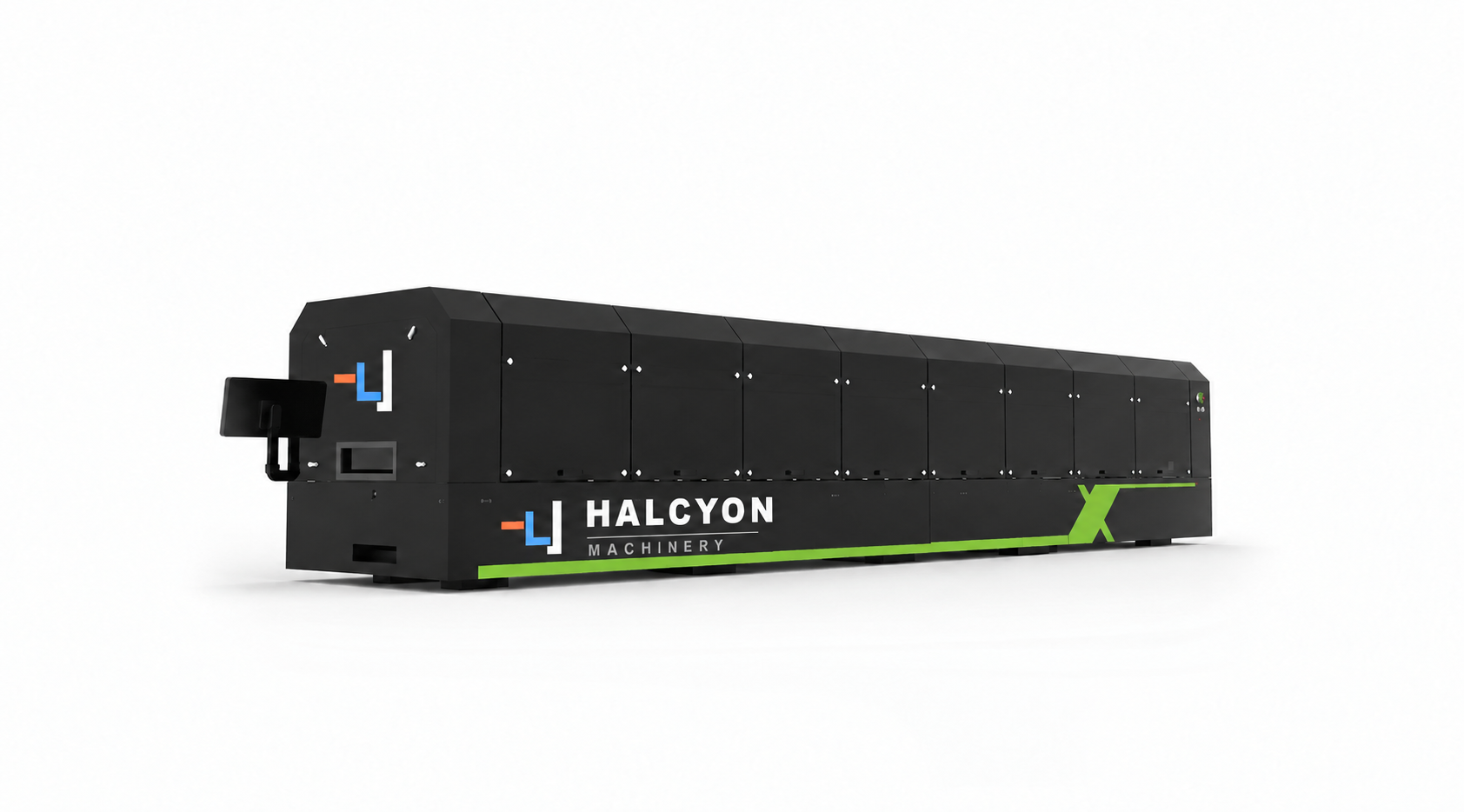 Model HSK-3005 · catalogue rendering
Automated keel production for larger product families and higher output targets.
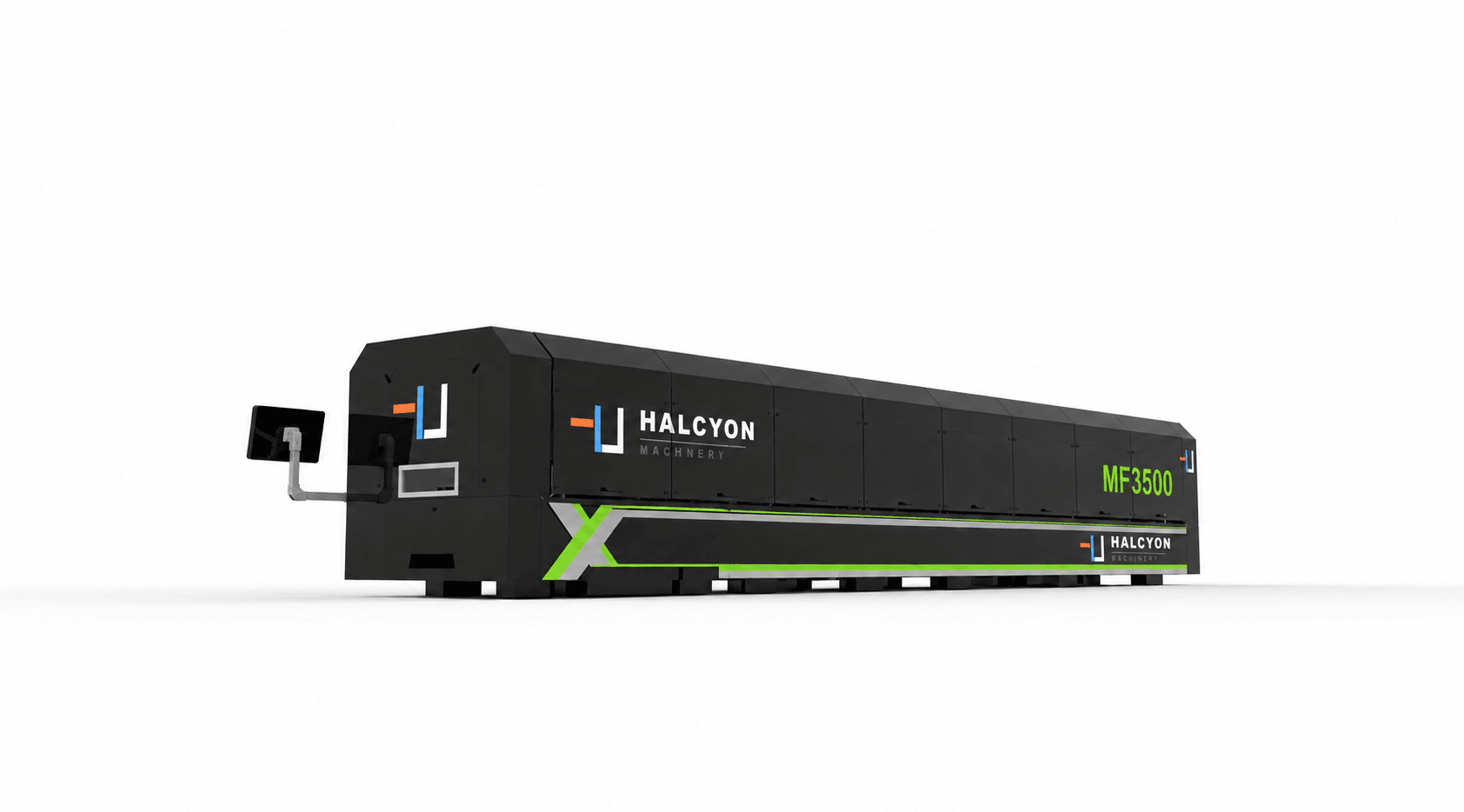 Model HSK-3500 · catalogue rendering
Extended-platform keel manufacturing for multi-size, high-throughput orders.
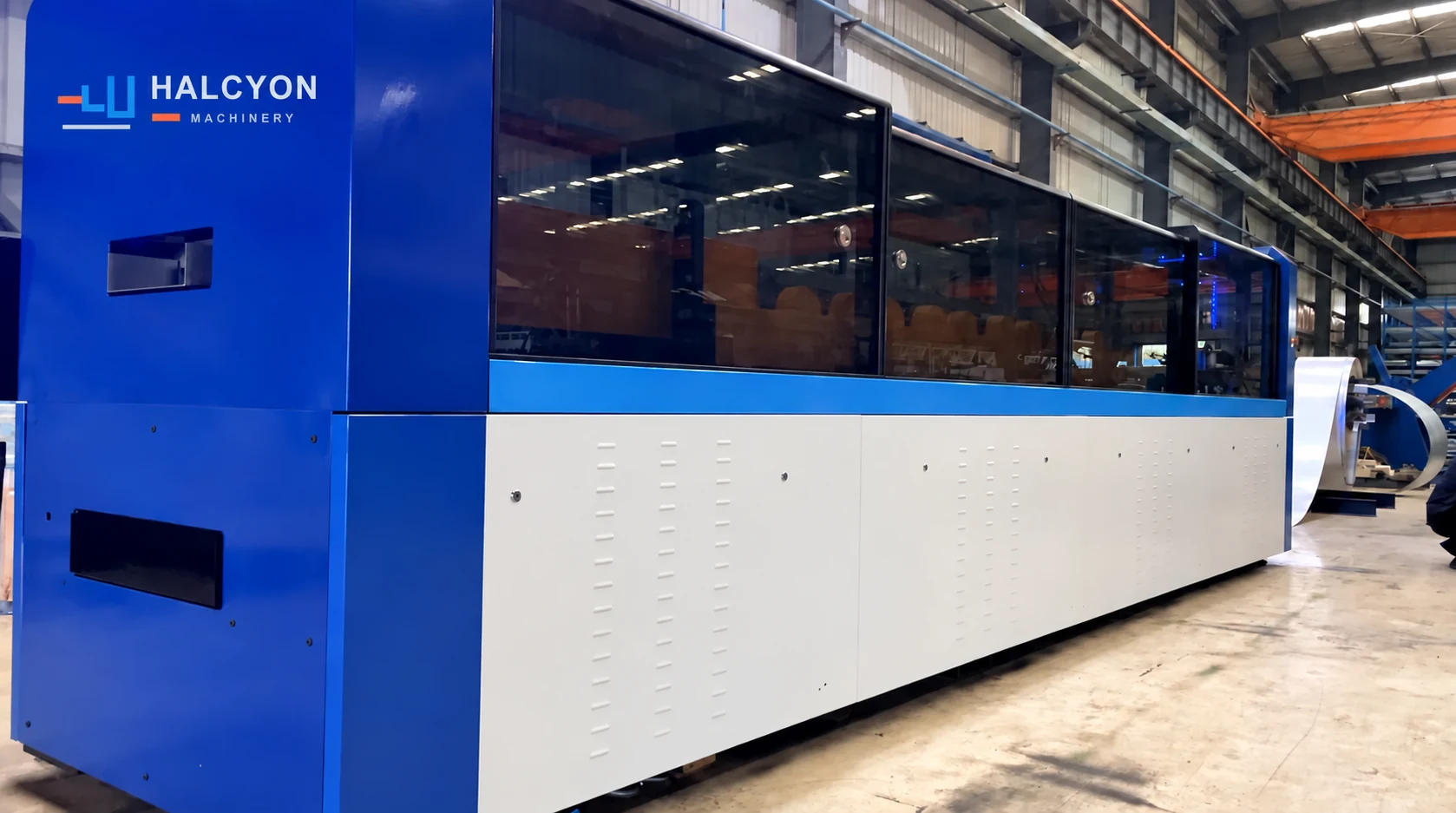 HLG-300 production-base photo
Our Xiamen production base's HLG-300 reference is a structural floor profile; review the drawing and sample trial for your order.
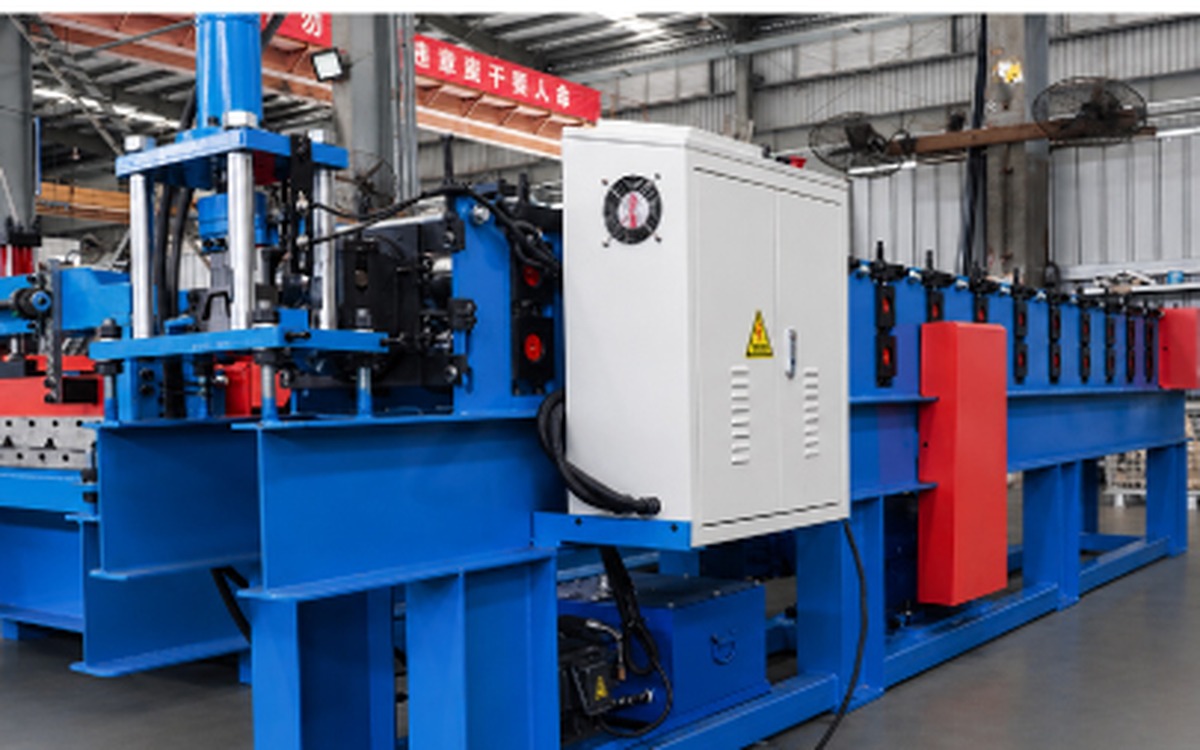 Ceiling profile family
Ceiling T-grid, furring and suspension profiles.
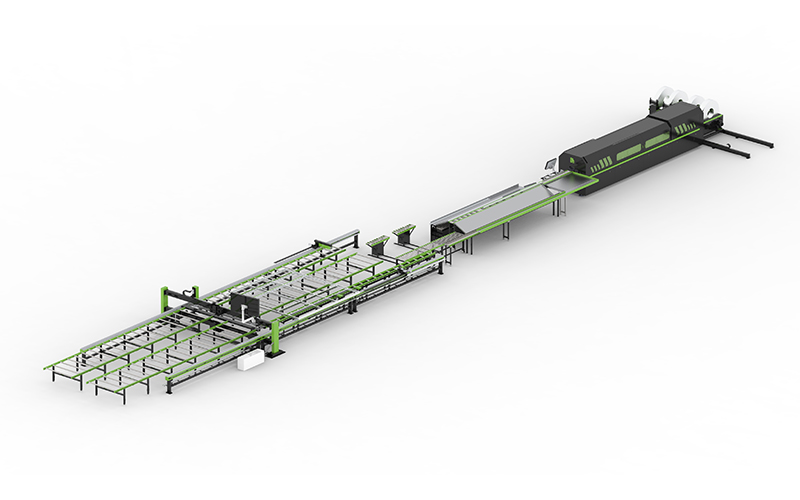 Model HWF-4000
Integrated production of light steel components for wall, floor and roof modules.
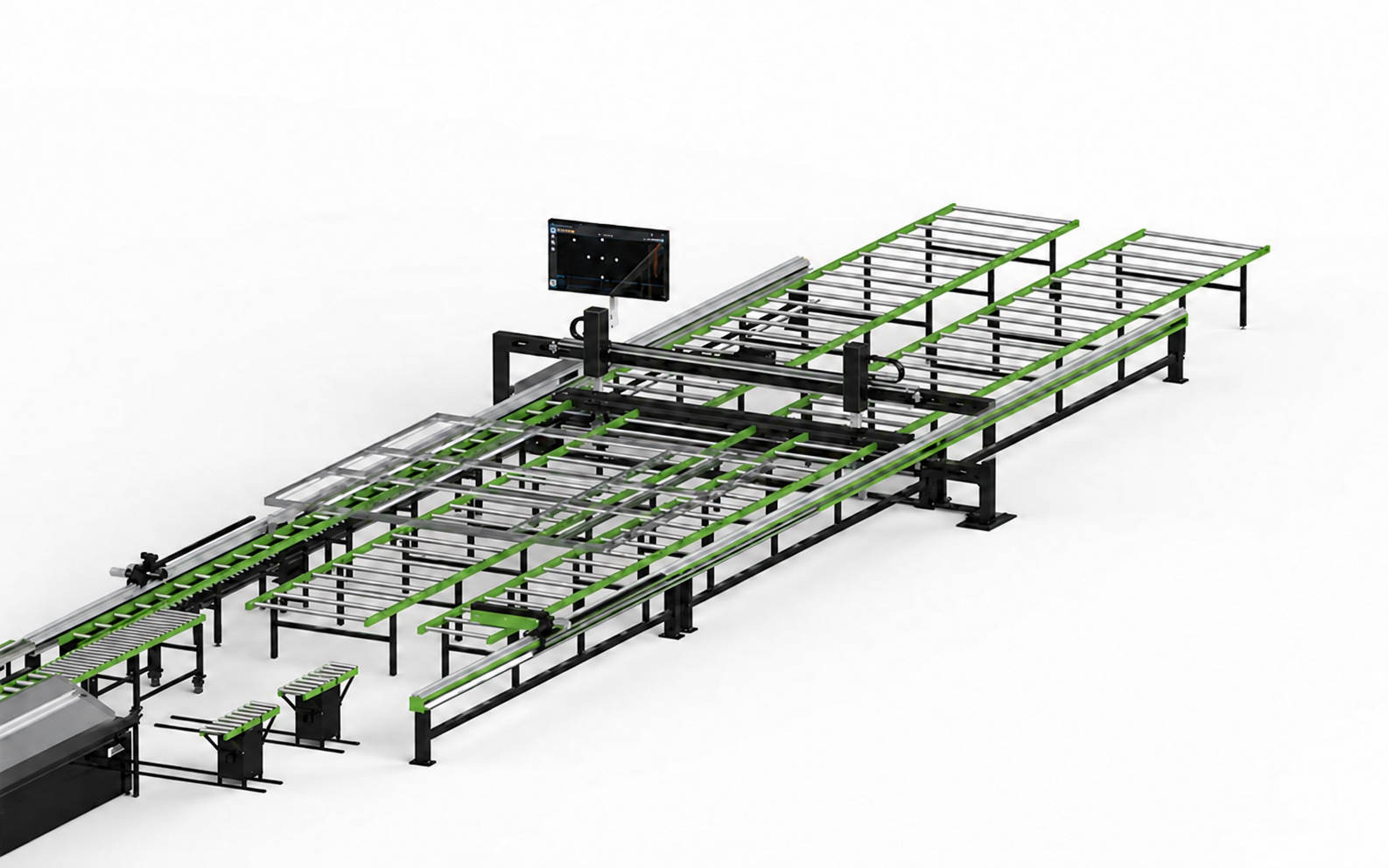 Custom line
Assembly, positioning and fastening of light steel wall or keel components.
Direct answer: a drywall partition stud or track, a ceiling furring profile and a load-bearing light-gauge framing member are different production requests. Send the approved profile drawing and installation detail first; then compare the line that can make that section in the specified steel grade, thickness range, hole pattern and target output.
| What you need to produce | Relevant starting page | Evidence to request |
|---|---|---|
| Partition wall stud and track | Stud and track machine selection | Both section drawings, matching track fit, hole schedule and measured samples |
| Ceiling grid or furring member | Ceiling profile line | Profile and joint drawing, fixing detail and a matching formed sample |
| Wall, floor or roof framing member | Light-gauge framing machine | Structural designer's member drawing, connection detail and trial part record |
| Factory material transfer between workstations | HAMR-01 AMR support equipment | Route, load, station interfaces and safety review; the AMR does not form profiles |
Halcyon works directly with factory production teams on equipment selection and supply. The model table below cites technical standards from our Xiamen production base as reference specifications, not a tested guarantee for a buyer's configuration. Confirm the exact machine photo, supplied modules and acceptance method in the signed technical proposal. Use the stud and track buyer checklist to prepare the drawings and sample checks.
Factory technical standards separate fixed-profile LG machines from flexible MF platforms. Width and forming-speed figures are document references for shortlisting, not accepted output for a buyer's configuration; request a trial against the approved drawing.
| Model | Documented profile range | Thickness | High speed | Drive / weight | Application |
|---|---|---|---|---|---|
| HLG-2025S-89 | 89 x 41 x 10 mm lip 7-12 mm | 0.75-1.2 mm | 48 m/min | 7.5 kW servo / about 3.8 t | 89 mm wall, floor and roof framing members. |
| HLG-2025S-140 | 140 x 41 x 10 mm lip 7-12 mm | 0.75-1.2 mm | 48 m/min | 7.5 kW servo / about 3.8 t | 140 mm framing members. |
| HLG-2025T-89/91 | 89 / 91 x 41 x 10 mm lip 7-12 mm | 0.75-1.2 mm | 48 m/min | 7.5 kW servo / about 3.8 t | Twin-size 89/91 mm production. |
| HLG-2025Pro-89 | 89 x 41 x 10 mm lip 7-12 mm | 0.75-1.6 mm | 48 m/min | 7.5 kW servo / about 4.3 t | Thicker 89 mm framing and expanded tool package. |
| HSK-1500 | 75-152 mm web 41 mm flange | 0.75-1.6 mm | 45 m/min | 14 kW servo / about 8 t | Flexible multi-width CFS framing. |
| HSK-2000 | 75-200 mm web 41 mm flange | 0.75-1.6 mm | 35 m/min | 14 kW servo / about 10 t | Three documented width bands for broader CFS work. |
| HSK-2500 | 75-250 mm web 41 mm flange | 0.75-2.5 mm | 35 m/min | 30 kW servo / about 15 t | Heavier framing; G550 subject to a 2.0 mm review limit. |
| HSK-3005 | 89–305 mm web; C flange 51 mm / U flange 50–65 mm; confirm drawings | 1.0–2.5 mm; G550 below 1.6 mm | Published 35 m/min; actual output depends on punching | 22 kW servo / about 18 t; confirm offered version | Larger CC/CU sections. Published description and metric table give different flange sizes; confirm drawings and tooling in writing rather than infer a Base/Pro split. |
| HLG-300 | Published 300 mm profile width | Published 1.2–2.2 mm | Published up to 35 m/min line speed | Published 22 kW drive / 11 kW hydraulic | Structural floor profile reference; verify quotation and trial. |
Speed note: high-speed figures describe the forming reference. Hole patterns, marking, cut cycle, material strength and handling determine actual finished-member output.
Material strength, thickness, profile geometry, punching frequency and output target determine the final line configuration.
“Super keel” is a supplier label, not a profile standard. To compare a larger stud, track or omega section, send the dimensioned drawing, steel grade, coating, thickness range, hole layout and target output. Our factory team must check the proposed tooling and sample trial against the actual section; a label alone does not establish capacity or structural rating.
Review the profile drawing and material before selecting a dedicated line.
For an Australian steel framing enquiry, identify base metal thickness (BMT) separately from total coated thickness (TCT). BMT describes the steel substrate; TCT includes the coating. Give the material grade and coating designation alongside the thickness rather than selecting an LG or MF model from thickness alone.
Request written confirmation for the complete member drawing, material and punching schedule. Retain the coil identification and material documentation with the measured trial parts. A listed thickness range does not prove every grade and profile combination is included.
Material terminology source: BlueScope Technical Bulletin TB-14, BMT and TCT terminology, reviewed 3 October 2026. This reference explains the material terms; it is not a Halcyon machine approval or a finished-building compliance certificate.
Direct answer: We quote every light steel keel machine by configuration, not from a fixed price list. The price depends on the profile drawing, material thickness, punching and cutting, the level of automation and the delivery terms. Send your drawing and we reply with a written quotation for that exact configuration.
| Configuration level | What changes | Usually chosen for |
|---|---|---|
| Single-profile line | One stud, track or keel section per line. | One standard drywall or framing profile |
| Multi-profile / quick-change line | Several sections or sizes from one line, changed by adjusting or exchanging tooling. | Stud and track sets or several keel sizes |
| High-speed line with punching | Higher line speed with punching (service holes, dimples) and flying cut-off as required by the drawing. | Large-volume framing production |
Price rises from the first level to the third as tooling, servo control and automation are added.
Roll forming machines from Halcyon's Xiamen factory have been used on 150+ construction projects (2022–2026) in China and abroad, including an airport in Iraq, a national stadium in Senegal, resort buildings in the Maldives and a coal preparation plant in Mongolia. See the reference projects.