
 Selection guide
Automatic C/Z Purlin Configurations
Compare four separately documented platforms by section, steel grade, thickness and punching requirement.
Compare C/Z purlin, hat, omega and custom structural-profile lines by the finished section and the production problem. Each linked page covers a different selection decision. If you make only C sections, start with the C purlin machine selection guide. For slotted PV mounting rails or support brackets, use the solar mounting profile machine guide; a building purlin drawing does not establish the rail slot or clamp fit.
US$39,000–62,000 (standard) · US$72,000–143,000 (premium), FOB China
Standard covers the first two configuration levels (single-profile and multi-profile / quick-change); premium covers fully automatic lines.
Final price depends on profile, thickness, speed, punching and automation. Excludes freight, import duties and installation. Send your profile drawing for a quotation within 24 hours. North American configurations (480V/60Hz, UL and local requirements) are quoted separately.
Large complete lines (e.g. truck chassis beam lines or full cable tray lines) are quoted per project, typically above US$150,000.
Manufactured in our Xiamen factory · 35+ years of roll forming experience.
Send your profile drawing or a photo of the profile. We reply within 24 hours with a configuration and price.
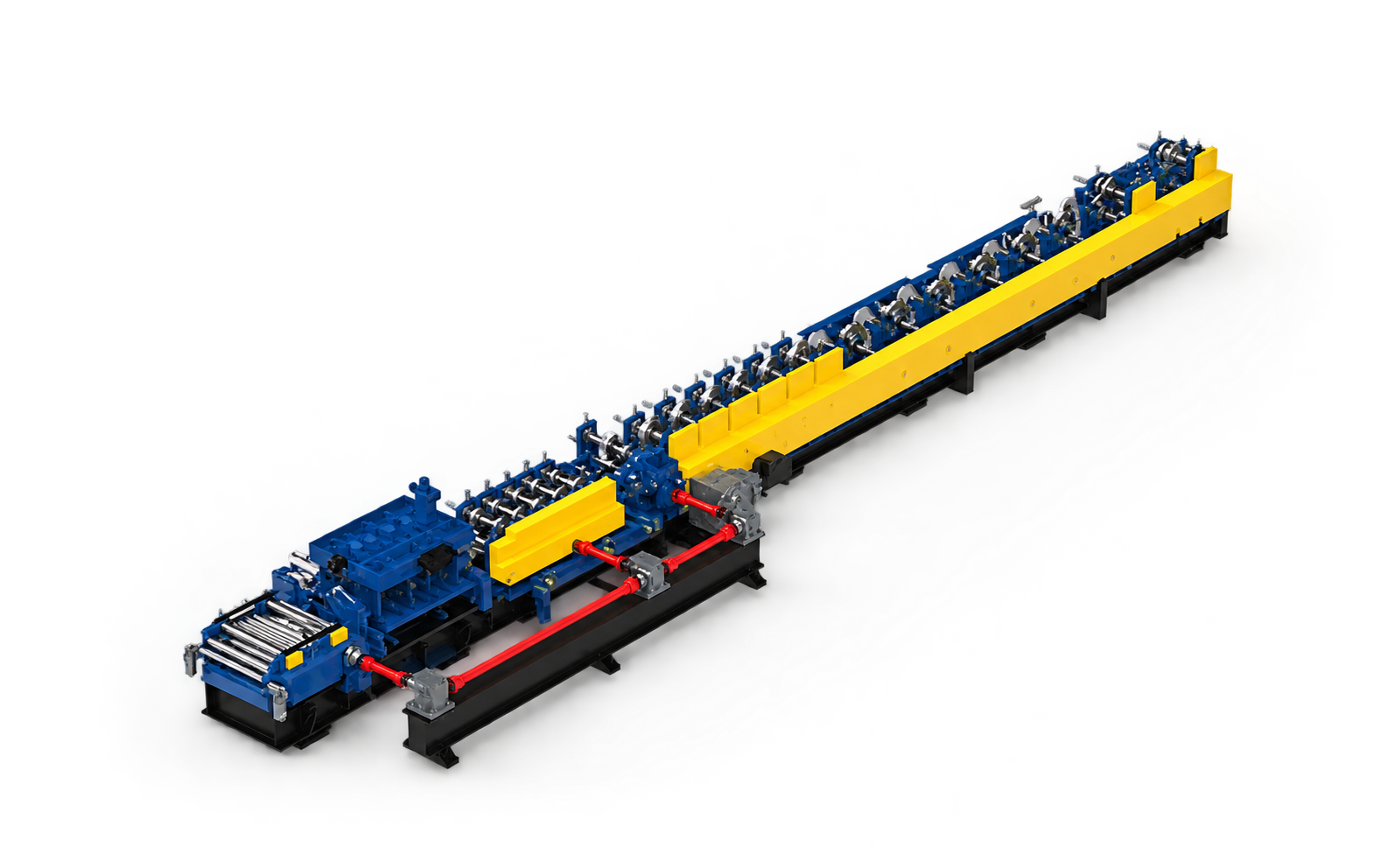
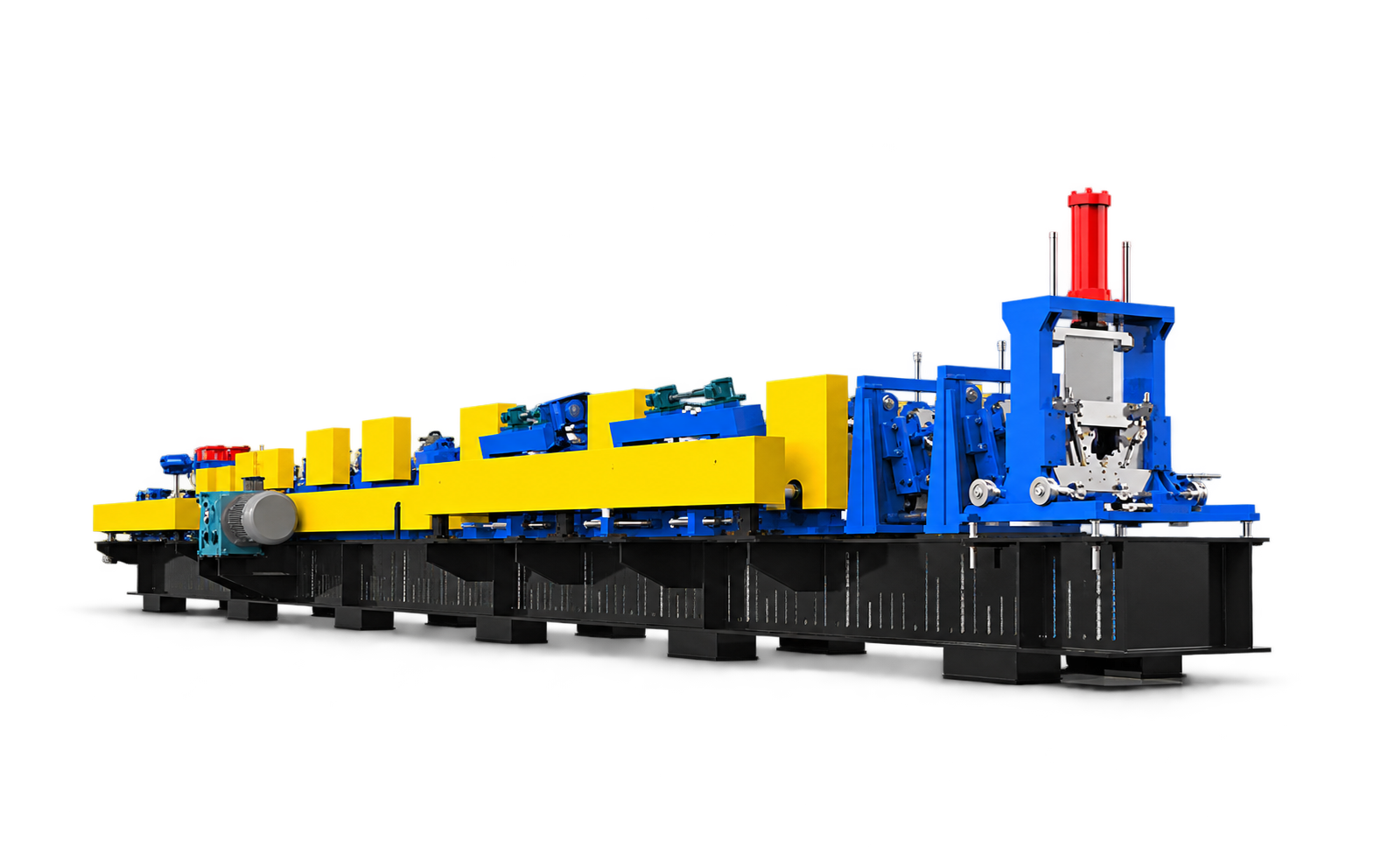
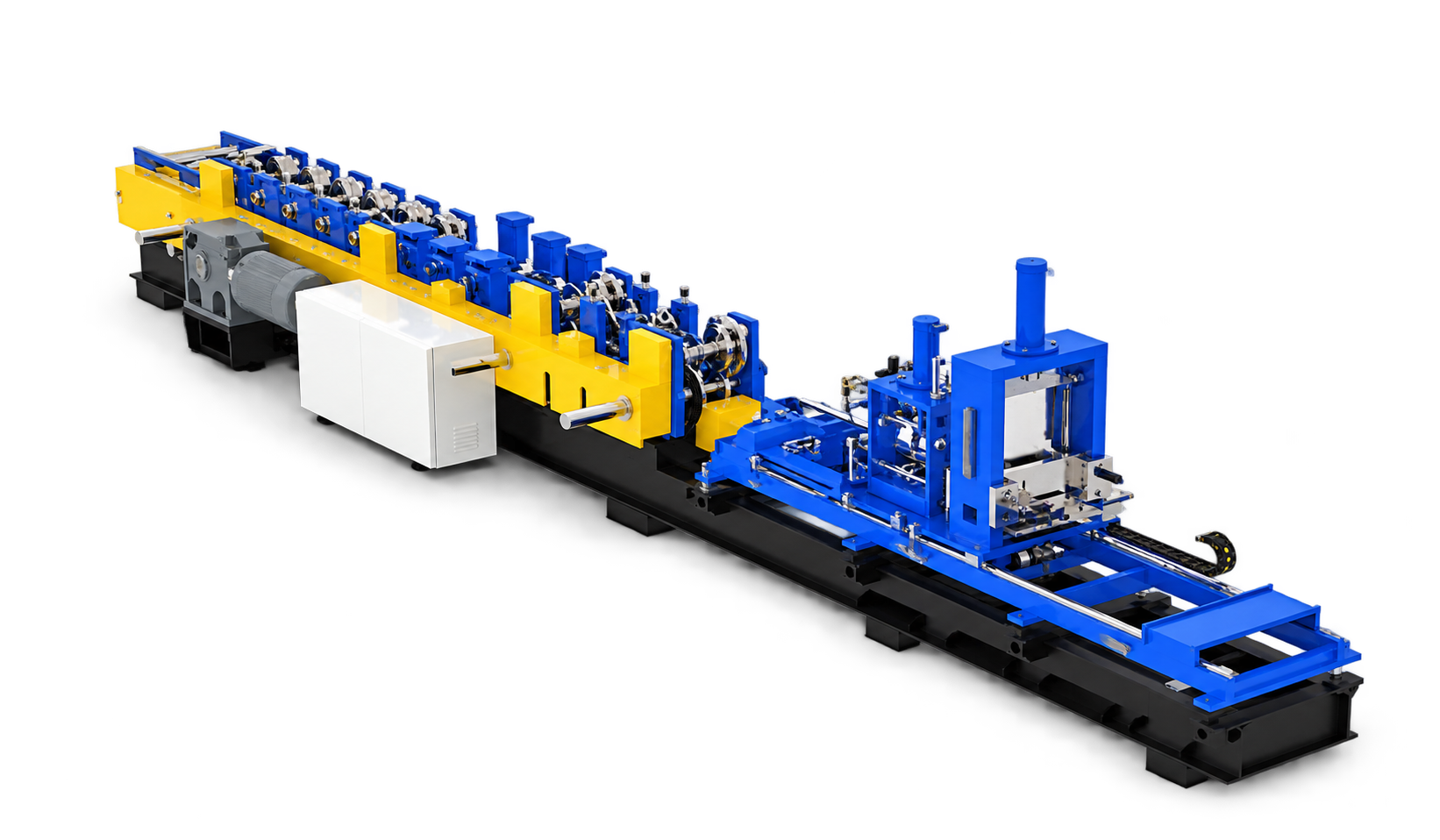
Open each model page for its drawing-based selection checks. Final material limits, output, tooling and acceptance must be agreed for the offered build. N, S, L and M cards show an HCZ-F7 platform illustration, not photographs of those exact machines. The F card shows components published on the separate HCZ-450F reference page, not a complete currently quoted FC/FX line. Historical variant names do not establish current availability.
Selection guide
Compare four separately documented platforms by section, steel grade, thickness and punching requirement.
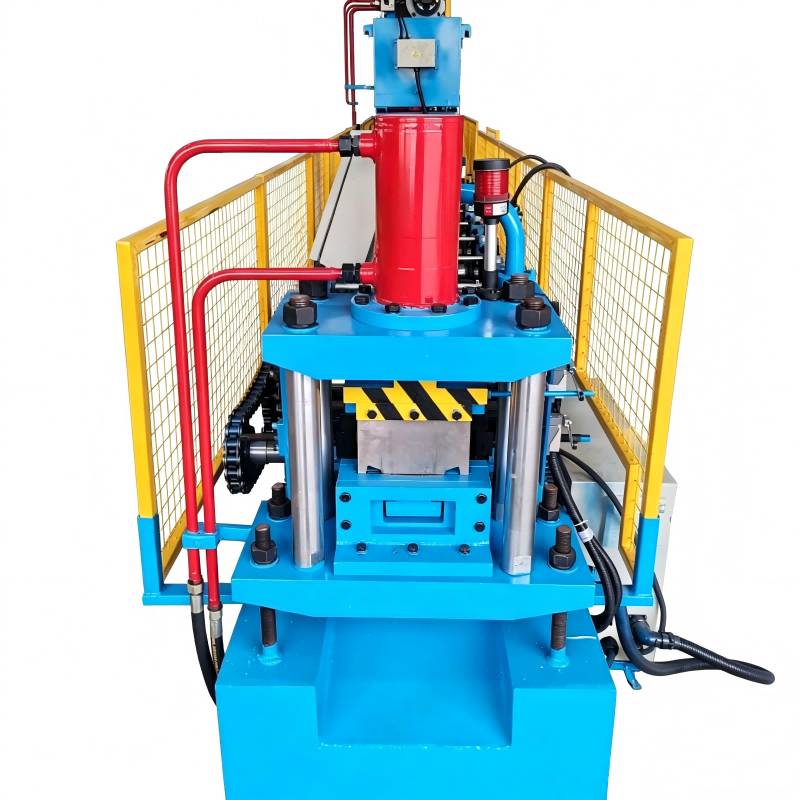 C-only selection guide
Compare a fixed C reference with adjustable C lines by approved section, steel, punching and accepted output.
Model N
Historical HC-300N: C only; HZ-350N: Z only; HCZ-300N: C/Z. Confirm the exact current offered variant.
Model S
Historical HC-300S: C only; HCZ-300S: C/Z. Specify the offered model and require trial parts for the included profiles.
Model L
Historical HC-300L: C only; HCZ-300L: C/Z. Confirm current tooling; hat sections require separate evidence.
Model M
Small C-profile family. Check complete drawings, material limits and tooling for the current proposal. Do not infer Z capability.
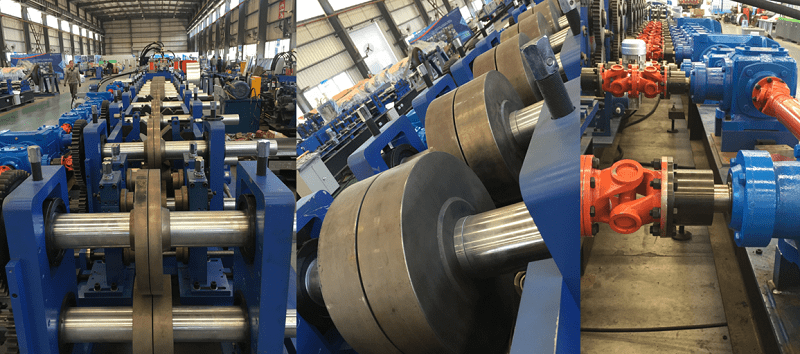 F-series reference
Historical HC-300F: C only; HCZ-300F: C/Z. HCZ-450F is a separately documented example; its parameters do not apply to every F build.
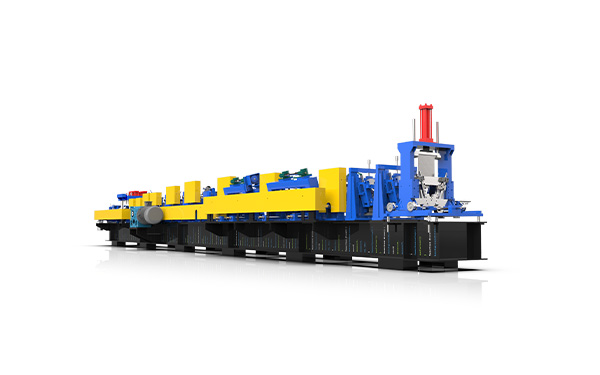 Model LA
Hat-profile equipment reference; omega compatibility requires drawing and tooling review.
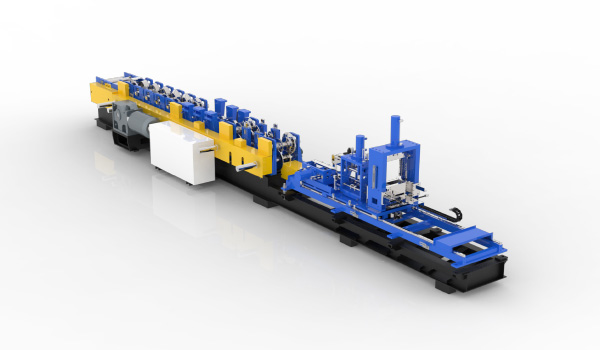 Model HSP-200
Multi-specification secondary-purlin model; verify the quoted changeover scope.
This catalogue covers different finished sections and production patterns. A single machine does not inherit the capacity or changeover method of every model shown below.
| Your production question | Open this page | Evidence to request |
|---|---|---|
| One approved section dominates the schedule | Fixed, manual or automatic line selection | Drawings, batch mix, first acceptable part and setup scrap. |
| C and Z sizes change frequently | Four automatic C/Z configurations | Two-profile changeover trial with the actual coil and hole pattern. |
| Z-section laps and bolt holes govern fit | Dedicated Z-purlin review | Approved lap detail, handedness and paired-hole registration. |
| Hat, omega or custom secondary profiles are required | Hat and omega line or custom steel section buyer review | Profile drawing, material grade, tolerances and forming sample. |
Selection rule: send the profile drawing, steel grade, thickness range, punching layout and target output. The specific model page holds documented reference data; only the accepted technical agreement defines the supplied machine. Halcyon supplies this equipment factory-direct from our Xiamen production base.
Material strength, thickness, profile geometry, punching frequency and output target determine the final line configuration.
Review the profile drawing and material before selecting a dedicated line.