
Pair the members
Submit the matching CC and CU drawings. Compare web, flange and lip geometry and test the finished fit instead of ordering from a model name alone.
CC/CU light steel framing-profile production, selected from the approved sections, material and hole drawings. The final tooling, layout and guaranteed output are confirmed after we review your profile drawing and production target.
For the general light steel framing machine selection, compare member drawings, tool coverage and the production schedule before choosing this model. A CC/CU section label does not prove structural suitability or compatibility with every drywall or ceiling profile. For a drywall stud-and-track order, use the stud and track drawing review.
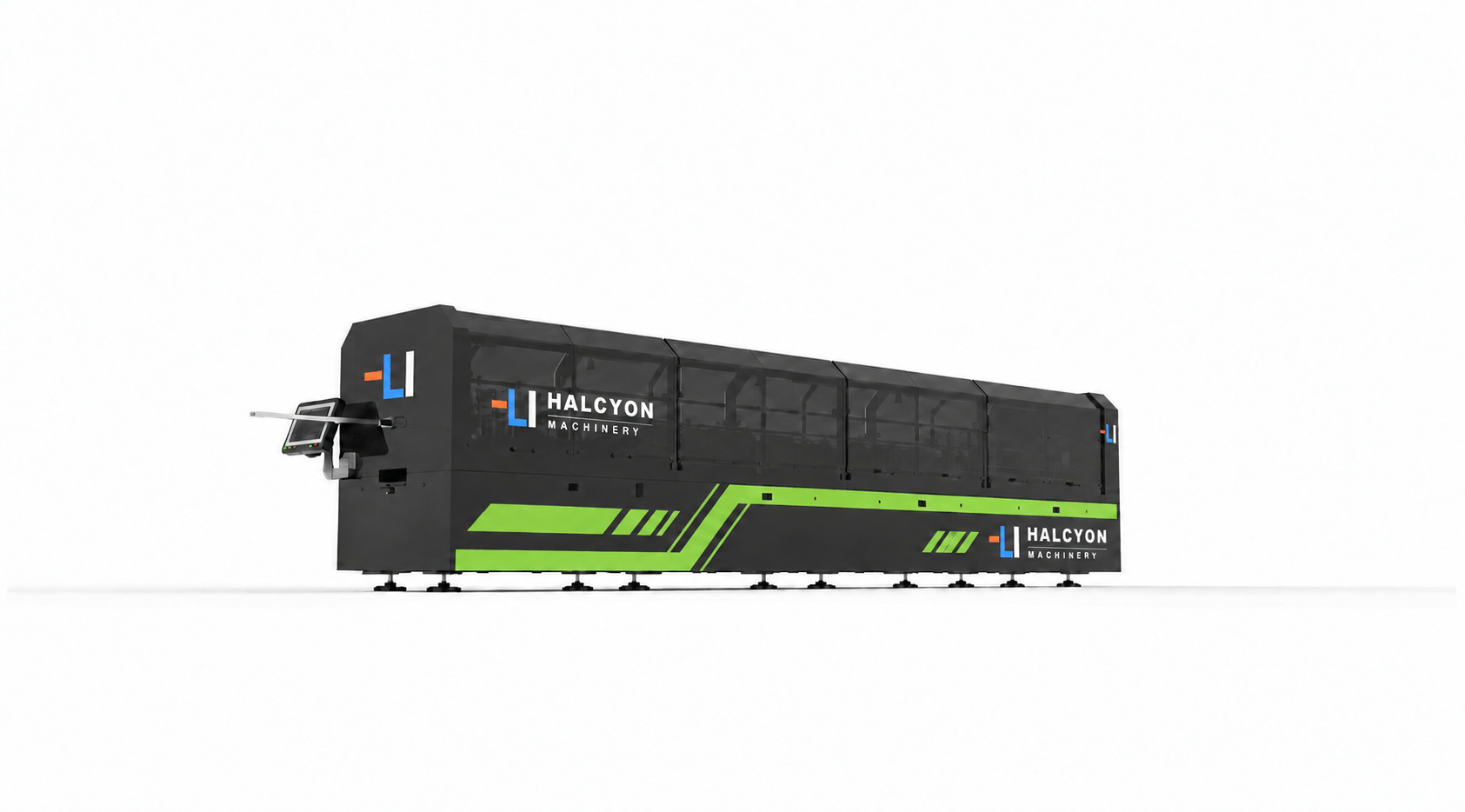
Reference configuration. Final machine follows the signed technical agreement.
The catalogue model and the width bands shown below are a selection reference, not proof that every stud or track drawing is included. Ask the factory team to mark each supplied profile on the proposed tooling and punching schedule.
Submit the matching CC and CU drawings. Compare web, flange and lip geometry and test the finished fit instead of ordering from a model name alone.
Check whether every required width sits inside the offered tool bands. For an out-of-band section, request a separate tool review or compare the HSK-2000 proposal.
Use a drawing with service and connection holes. Measure first-off and repeat parts from identified trial coil; record any manual setup or extra die needed.
Include punching, cutting and section changes in the trial clock. Forming speed alone cannot establish delivered pieces per shift.
Values below separate confirmed product information from project-dependent engineering data.
Reference-data rule: published figures describe a documented reference configuration. Power, speed, tooling, dimensions and guaranteed accuracy become binding only when repeated in the signed technical agreement for your project.
The proposal defines every station, interface, production assumption and acceptance checkpoint.
We provide the current machine layout, component list, sample profile and test plan for the exact quotation.
Use our Xiamen production base's HSK-1400 catalogue entry as a model reference. The actual drawing set, equipment revision and factory trial belong in the order documents.
Identify the approved CC/CU widths and any required size outside the published reference bands.
List hole shapes, positions, cut lengths and included die sets for each approved member.
Record the steps, adjustments, time and first acceptable part when switching between the buyer's selected sections.
Measure stud and track pairs from the same identified material batch and check fit at the intended connection.
Confirm decoiler, feed, forming, cutting, controls and run-out layout against the actual factory proposal.
Name unsupported widths, unquoted punches, manual operations and the destination electrical requirement before order approval.
CC/CU light steel framing-profile production, selected from the approved sections, material and hole drawings.
No. Send both finished drawings and compare them with the quoted roll, guide, punch and cutter sets. Treat the catalogue width bands as a reference until the offered configuration is named.
Record the starting and ending section, manual and powered adjustments, elapsed time, first acceptable part and repeat measurements.
Compare it if your drawing set includes widths beyond the offered 1400 tooling or your order schedule requires frequent changes across the 2000 model's documented bands.
We will confirm the suitable model, process route, line modules and the values that can be guaranteed for your material.