
By Halcyon Machinery · Technical content review · Updated
Treat the calculated flat-strip width as a trial starting point, not an order width. Before buying a production quantity of slit coil, have our factory team run material of the agreed grade and thickness on the proposed tooling, measure the accepted profile and edges, and sign off the strip width, tolerance and material identification used in the trial.
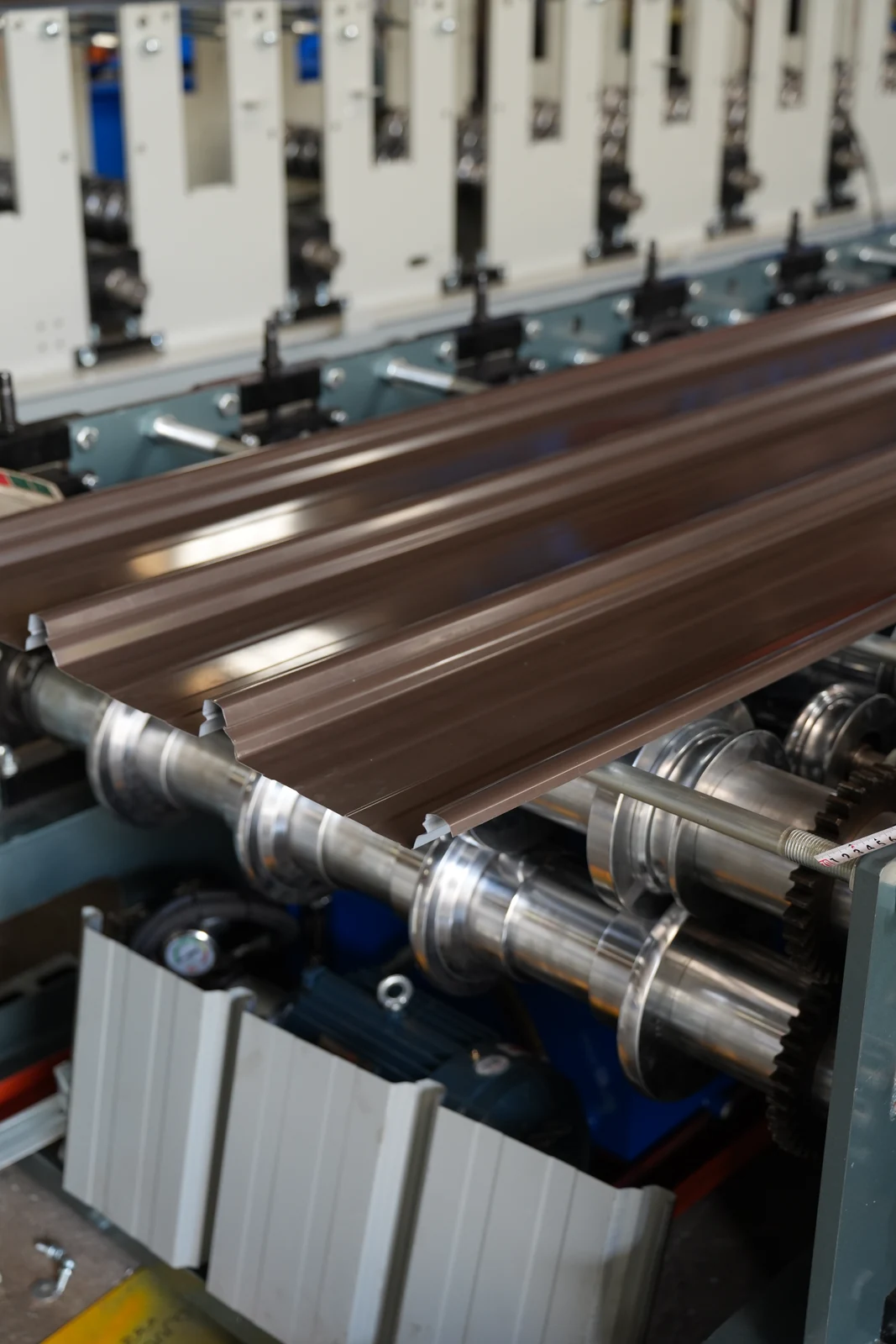
Four gates between the estimate and the coil order
| Gate | Evidence to keep | Buyer decision |
|---|---|---|
| Estimated blank | Drawing revision and calculation basis, marked as provisional | Is this only the starting width for test material? |
| Incoming strip | Batch ID, steel grade, actual width and thickness, edge condition | Does the trial strip match the intended production supply? |
| Formed trial | Sample IDs, critical dimensions, edge condition and setup record | Do accepted parts meet the agreed drawing and fit? |
| Production order | Signed-off width, tolerance, coil specification and permitted variation | Can the slitter and line repeat the approved test? |
Why the drawing perimeter is not enough
A roll formed section contains bends and flats, and the length through each bend depends on material thickness, inside radius and the neutral line position. Roll-Kraft's strip-width calculation guide explains why the blank is estimated from both bend arcs and straight portions, and its roll-form design guidance warns that an estimated width can change in tooling tests. Neither source gives a universal width for a Halcyon proposal, so do not copy outside dimensions from a drawing into a full-coil order.
What to send and what the trial record must hold
Send the approved profile drawing with revision, steel grade, thickness range, coating or surface requirement, punching layout, target output and application. Say which dimensions matter after forming:
- web and flange sizes, and the lip;
- opening or closing of the section;
- cut length and hole position;
- any mating fit.
The machine and slitter must be assessed against that same drawing. The trial record then names the coil or test strip, measured thickness and width, batch or certificate reference, tooling setup, part IDs and measurements. A photograph of an unmarked coil cannot replace it.
Where one trial stops applying
A width proven on one grade, thickness and tooling setup may not cover another coating, thickness or profile. If a C/Z purlin line will make several sections, ask for a strip-width schedule and an identified trial for each combination. Keep width approval separate from claims about line speed or structural capacity, which need their own evidence.
Questions buyers ask
Can the coil supplier calculate the width without a machine trial?
A calculation helps obtain test material, but it does not show that the selected tooling produces an accepted part from that width. Ask for a controlled trial before a volume order.
Does one approved width cover every C and Z size?
No universal range can be assumed. Request a width schedule tied to each quoted profile and material range, then identify what has actually been trialled.
What if a test piece meets dimensions but the edge is damaged?
Record the edge condition and investigate the incoming slit edge, guides and tooling before signing off; dimensional fit alone does not settle the surface acceptance question.
Next step for a comparable proposal
Compare the purlin machine selection page and automatic C/Z configuration with your drawings. The coil-loading trial guide covers handling once the strip specification is set, and the sample review guide covers measurements. Send the profile drawing, steel grade, thickness range, punching layout and target output and ask Halcyon for our factory team's proposed test strip and acceptance plan.
Request a strip-width trial plan