
By Halcyon Machinery · Technical content review · Updated
Accept a floor deck trial sample against the approved profile drawing, not a catalogue photograph. Identify the trial coil and drawing revision, then measure rib geometry, effective cover width, finished length and every specified embossing or hole feature on labeled samples. Record the machine setup and any adjustment needed before the first acceptable part.
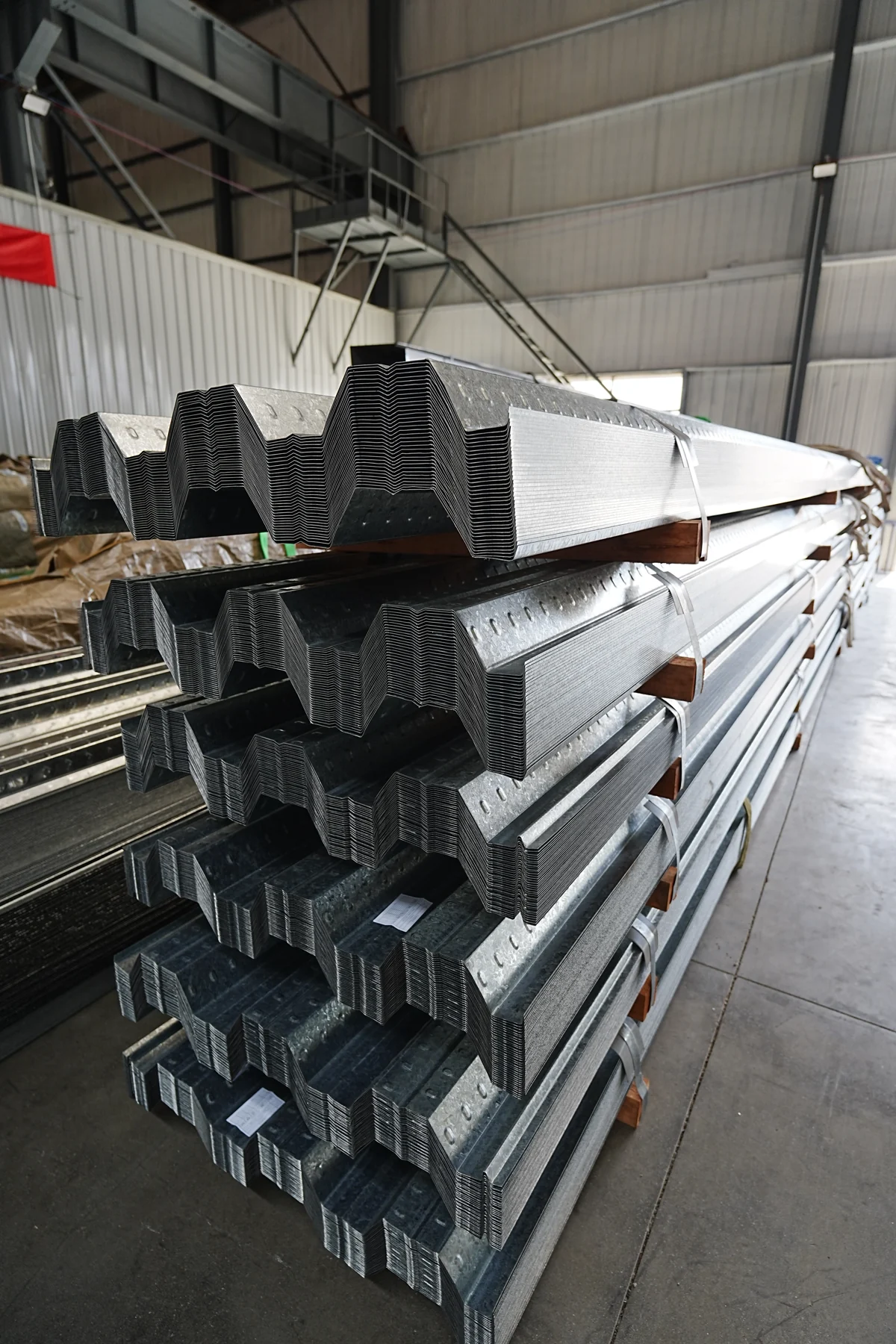
Agree the scope before the trial
Fix the drawing revision, material grade and thickness range first. The drawing should show rib shape and depth, edge geometry, effective cover width and any embossing or punching, because each deck profile needs its own tooling and a similar-looking sheet is not enough. Then confirm which stations the line includes: decoiling, leveling, forming, embossing, punching, cut-off and run-out. Some may be optional or supplied separately, so write the included list into the proposal.
Sample record, field by field
Mark each sample with a unique ID, drawing revision, coil identity, measured thickness, machine setup and production time, then measure the critical dimensions by the agreed method.
| Record field | What the buyer should compare | Evidence to keep |
|---|---|---|
| Drawing and material | Profile revision, grade, coating requirement and thickness range | Approved drawing, coil identity and material record |
| Rib and edge geometry | Specified rib depth, pitch, flange and edge dimensions | Labeled sample and measured values |
| Effective cover width | How adjacent sheets are intended to overlap or interlock | Agreed measurement points and trial fit |
| Embossing or holes | Only features required by the approved drawing | Location/shape check and sample photographs |
| Cut length and edge | Finished length and visible deformation or burrs | Measured parts and inspection notes |
| Repeatability | Agreed samples after first-off approval | Sample IDs, time, deviations and corrections |
First-off is not steady output
If the first piece needs adjustment, record the change and keep the revised sample. One acceptable piece does not establish steady output, so agree a follow-up sampling interval that matches the purchase risk.
What a factory trial does not settle
A trial shows whether the proposed line forms the agreed profile from the trial material. Structural capacity, composite action, fire performance and building-code compliance need project design, test data or independent approval for the specified deck system, so a good-looking sample should never be turned into a certification claim.
Questions buyers ask
Does a clear photo prove a floor deck profile meets the drawing?
No. A photo can show the general rib shape, but dimensions, cover width, material and cut length need identified samples and recorded measurements.
Should embossing always be part of the acceptance test?
Only if the approved deck drawing and quoted equipment scope require it. Record the specified location and shape on the sample without assuming a generic embossing pattern.
What information should a buyer send before the trial?
Send the profile drawing and revision, steel grade, thickness range, coil width, any embossing or punching layout, finished lengths, target output and the agreed measurement method.
Next step for a comparable proposal
Send your deck profile drawing, steel grade, thickness range, coil width, embossing or punching layout, finished lengths and target output, and say which dimensions and sampling frequency you want in the acceptance record. For the wider inspection method, read the profile sample review guide. See the floor deck roll forming machine page for configuration scope, then submit the drawing for review.
Limits: Image from the Xiamen original photography archive (DSC04560.JPG). Final equipment capabilities require a supplier-specific proposal and a recorded trial.
Send your deck drawing