
By Halcyon Machinery · Published and reviewed
What should a coil slitting line trial prove?
Ask for identified trial material, the complete strip-width pattern, measurements for every output lane, agreed edge criteria and the finished output condition. A trial that shows the machine running does not establish usable narrow strip for your roll forming line. Halcyon Machinery reviews requirements with our factory team; the offered configuration and agreed trial determine what is supplied.
Separate narrow-strip output from cut-to-length sheets
A slitting process divides a wide coil longitudinally. Cut-to-length equipment produces sheets by transverse cutting. An offer may combine processes, but that does not establish every output mode. Request a process drawing showing the proposed uncoiler, leveling, slitting, transverse cutting, separation, tension and collection or recoiling units, identifying which are included and which operate in each mode.
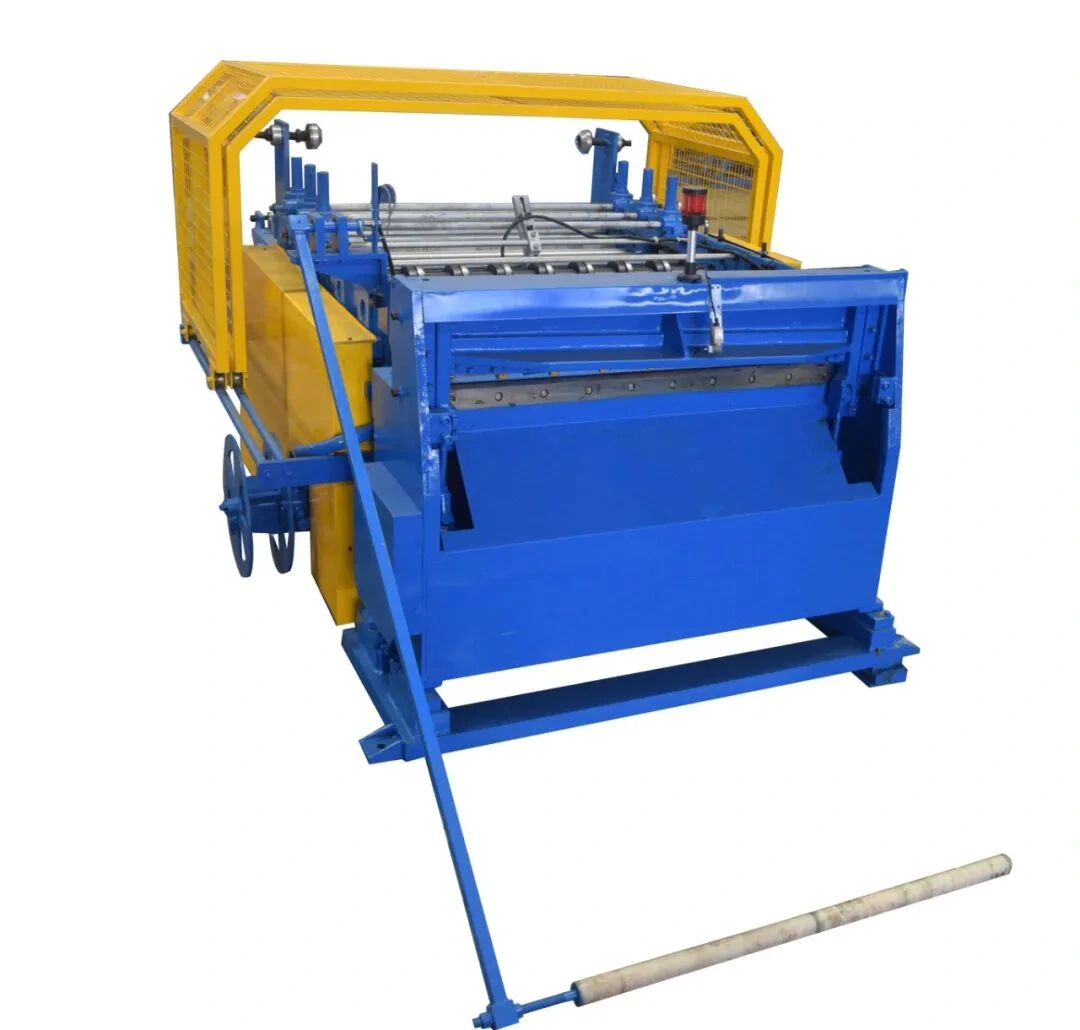
A public production-base article about a leveling, slitting and cut-to-length arrangement describes a combined line. It is evidence of our Xiamen production base's published equipment family, not a specification for your order. Its material range, knife count, speed and certification statements must not be transferred to a different proposed build.

Approve the width pattern, including trim and actual thickness
Provide the parent-coil width, material grade, actual thickness range, coating, desired strip widths, quantity of each width and intended downstream use. Identify the measurement units. If the order uses a gauge number, specify the reference system and actual thickness rather than relying on the number alone.
Ask the supplier to return a drawing or setup schedule showing all output lanes and edge trim. Check that the proposed widths and trim fit within the usable input width. Record allowances and unresolved items explicitly. A count of installed knives is not sufficient to establish your usable-strip pattern: ask which cuts create each boundary and how trim is removed.
Measure each lane, not one convenient sample
Give each output strip a lane identifier. Agree how width will be measured, at which positions and over what trial length. Retain readings for every lane with the coil and setup identities. Include the agreed starting, steady-production and later-run observations rather than presenting a single selected piece as proof for the entire pattern.
Use your downstream drawing and material specification to set acceptance limits. This guide supplies no universal strip-width tolerance. If the strip feeds a roll former, relate the trial to the approved strip-width and profile trial; successful slitting alone does not prove the finished profile will meet its drawing.
| Purchase question | Evidence to retain | What remains separate |
|---|---|---|
| Does every lane meet the width plan? | Lane map, actual readings, positions and agreed limits. | Finished profile dimensions after roll forming. |
| Are both cut edges acceptable? | Identified edge observations and the agreed measurement method. | An unsupported claim of burr-free production. |
| Does the whole strip remain usable? | Surface and handling checks over the agreed run. | A short specimen selected before collection. |
| Is the ordered output mode demonstrated? | Collected sheets or recoiled strips using the quoted arrangement. | Optional equipment absent from the trial. |
Agree edge criteria before changing knife settings
Describe acceptable edge condition for the intended handling and downstream process. State whether burr height needs measurement, the method, sample locations and limits. Examine both sides of each cut and record edge orientation; photographs can document location and appearance but do not replace an agreed dimensional measurement.
Cowles Tool's tooling reference distinguishes rotary knives, spacers and stripper rings and links tooling setup to strip width and knife clearance. It helps define the documentation to request, but does not certify a Halcyon configuration. Ask for the actual knife and spacer identification, setup revision and maintenance condition used in the trial. Do not copy a generic clearance percentage into an operating instruction: settings and safe adjustment procedures belong to the qualified supplier and the identified material and tooling.
Include surface protection and collection in acceptance
Agree whether the output is narrow recoiled strip, cut sheets or another collected form. Check the offered handling route using the trial material. For coated strip, record the surface condition after separation and collection, not only before the cutting head. Specify how coil build or collected-sheet condition will be judged where that output mode applies; record any damage, winding or handling issue rather than assuming acceptable width means acceptable finished output.
Keep the initial results, changes and repeat-trial results separately. If a lane fails, identify the affected strip and setup revision. Ask our factory team to diagnose and correct it under the machine's documented procedures, then repeat the relevant acceptance checks. Do not erase an original failed reading when preparing the purchase record.
Download the blank strip-width and edge trial record. This worksheet is a purchase-review aid, not a knife-setting instruction or dimensional guarantee.
Frequently asked questions
Does a published minimum strip width guarantee my pattern?
No. Request the exact widths, material, lane count, trim arrangement and complete output trial for the proposed build. A catalogue boundary does not establish all combinations.
Can one width reading approve all output strips?
No. Identify and check every lane using the agreed sample locations and measurement method, retaining the actual readings.
Is a cut-to-length line automatically a recoiling slitting line?
No. Confirm the process drawing, included modules and output modes. Demonstrate collection or recoiling with the equipment actually included in the offer.
Send a strip pattern for a configuration review
Send the parent-coil data, width pattern, thickness and material range, surface requirements, downstream process and required output mode. Browse coil-processing and auxiliary equipment. The current coil-handling guide covers uncoiler and stacker interfaces; it is not a dedicated slitting-line specification. We use the information to discuss the relevant arrangement and supporting documents with our factory team.
Discuss your strip pattern and acceptance trial
Sources describe their publishers' equipment or tooling. Internal English editorial review by Halcyon Machinery, 3 October 2026. No external technical certification, customer test or numerical performance guarantee is claimed. Machine adjustment and operation require our Xiamen production base's procedures and qualified personnel.