
By Halcyon Machinery · Published
Direct buyer answer
Choose the approved roof joint before choosing the roll former. A snap-lock panel and a mechanically seamed panel need different edge geometry and different joint-assembly checks. Send the panel, clip and seam drawings to the equipment supplier. At the factory trial, identify the coil and first-off panels, measure both formed edges and cut lengths, then assemble them with the specified clips and, for a mechanical seam, the specified seaming tool. A loose panel or machine-running video cannot approve the completed joint.
First identify the joint the project actually approves
In a snap-lock system, the specified edges engage without a separate mechanical seaming pass. A mechanically seamed system requires the approved edges to be folded together using the specified hand or powered seamer. The New Tech Machinery profile comparison explains both joint families and their different joining methods; it does not make every panel or machine interchangeable. Some proprietary profiles may offer more than one joining method, but that requires the exact system drawings, tooling and instructions, not a broad “standing seam” label.
Ask the roof-system designer or approved panel supplier for the section and joint details: male and female edge shapes, seam height, pan width, clip type and spacing, movement allowance, any sealant, and the approved joining sequence. The roof designer remains responsible for project slope, weather, wind and structural requirements. The machine quotation should say which approved panel profile it can form and which operations are outside the line.
What must the trial demonstrate?
| Evidence | Snap-lock route | Mechanical-seam route |
|---|---|---|
| Approved inputs | Record the same drawing revision, steel grade, coating, thickness range, coil width, finished length and target accepted output proposed in the quotation. | |
| Formed edge | Measure both mating edges and any clip relief against the approved snap-lock section. | Measure both mating legs and the pre-seam geometry required by the specified seamer. |
| Joint assembly | Engage two identified panels with the intended clips using the system's installation method; document incomplete engagement or deformation. | Join identified panels and clips with the specified seamer and pass sequence; inspect the resulting fold and tool marks. |
| Repeatability | Retain first-off and later samples with setup and coil IDs; recheck after an agreed adjustment or changeover. Record accepted pieces, setup scrap and any rework separately. | |
| Limits | A fit trial verifies the produced panel and local joint assembly under documented conditions. It does not establish roof-system wind, water, fire, structural or code performance. | |
The exact clip interaction matters: New Tech Machinery's named profile comparison shows that even two snap-lock profile variants can use different clip arrangements. Those are another manufacturer's proprietary examples, not a Halcyon capability or a substitute for the buyer's approved roof system.
Do not infer a two-profile machine from one demonstration
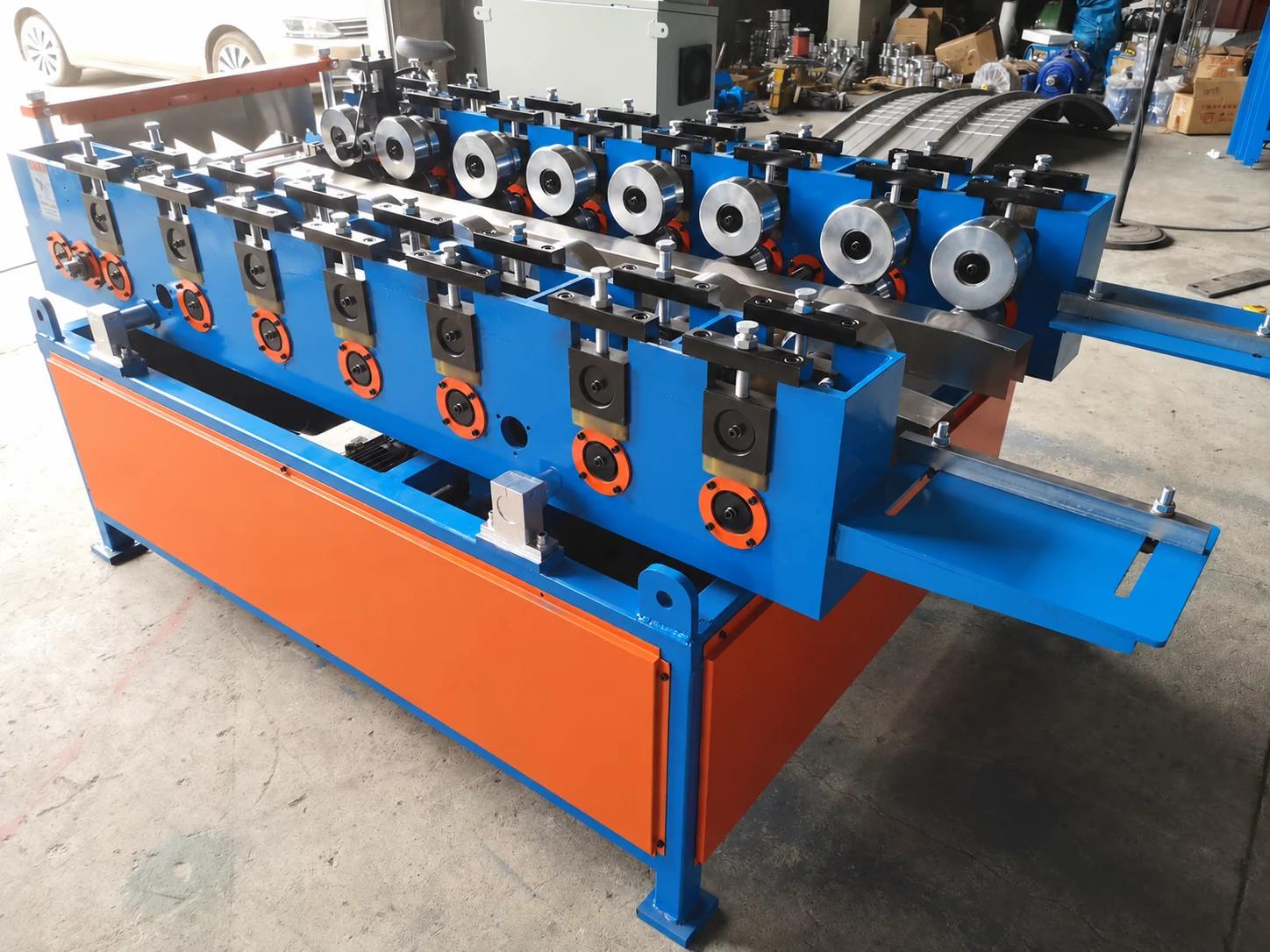
A machine forming one low-profile standing-seam example does not prove it can form a different snap-lock edge or a mechanically seamed profile. Request the current model and tooling schedule for every approved drawing. If one line is proposed for both, witness each profile separately and record the changeover steps, parts changed, setup material, first acceptable sample and actual production sequence. Compare factory and on-site manufacturing only after the profile scope is settled; see the factory-versus-portable buyer guide.
Send a comparable inquiry
Provide the approved panel and clip drawings, joining-tool specification, steel grade, coating, thickness range, coil width, finished lengths, any punching or notching layout, intended factory or site workflow and target accepted output. Ask for the named machine configuration, included decoiler and cut-off modules, trial material, sample-measurement plan and written exclusions. Review the standing-seam machine selection page, then send the drawings for a factory-reviewed proposal.
Buyer questions
Can one roll set make both snap-lock and mechanically seamed panels?
Only if the named machine supplier documents the approved drawings, tooling or changeover for both and demonstrates separate accepted samples. One standing-seam photo or model-family name is not proof.
Does a joined trial seam prove roof water or wind performance?
No. It checks local fit of identified panels, clips and joining tools under the trial conditions. The roof-system designer and applicable system test evidence must establish project performance.
What should be recorded when a seam trial fails?
Keep the drawing revision, coil and sample IDs, measured edge dimensions, clip and seamer specification, photographs of the failed fit, setup changes and repeat results. The supplier should explain the correction before acceptance.
Sources and review: Halcyon Machinery equipment-buying framework, reviewed 2 October 2026. Joint-method reference: the New Tech Machinery standing-seam profile comparison. Named clip examples: New Tech Machinery. Workshop-photo source: our Xiamen production base. None of these sources proves current Halcyon offer specifications or roof-system performance.
Send the seam and clip drawings