
Direct answer: CE marking is a manufacturer’s claim of conformity with applicable EU product requirements. It does not show that a roll forming line will meet your drawing, output or service expectations. Ask for the proposed machine’s declaration and separate trial evidence.
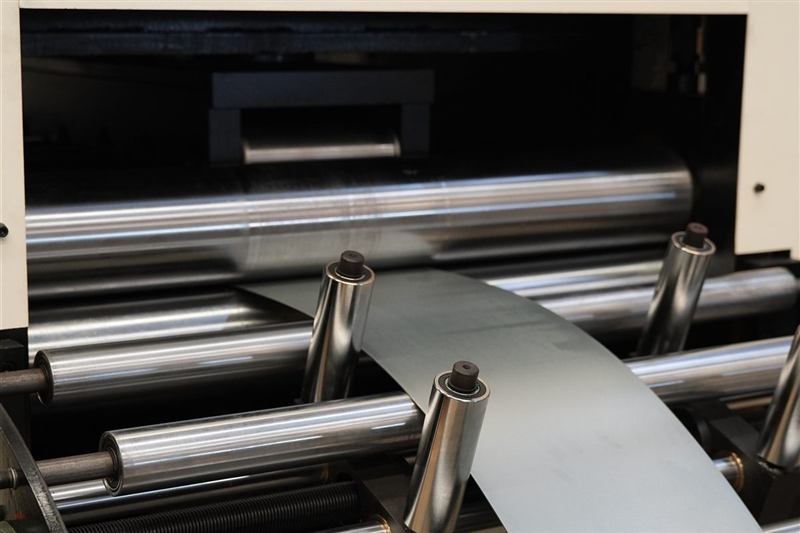
What to verify on the EU compliance side
For machinery placed on the EU market in September 2026, the European Commission identifies Directive 2006/42/EC as the current machinery framework. Regulation (EU) 2023/1230 is scheduled to apply from 20 January 2027. The manufacturer is responsible for the applicable conformity assessment, technical documentation, declaration of conformity and CE marking. The exact legal obligations depend on the machine and how it is placed on the market.
Ask for a declaration that identifies the named manufacturer and the quoted model or serial number, states the applicable legislation, and can be reconciled with the machine and instructions delivered. The need for a third-party notified body depends on the applicable assessment route; a generic “CE certificate” screenshot or unrelated certificate number is not a substitute for checking the actual machine documents.
When a certificate is offered, what should the buyer verify?
The European Commission warns that unregulated voluntary certificates are not a recognised substitute for the conformity evidence required by EU legislation. Ask the proposed manufacturer for the declaration applicable to the identified machine and ask which conformity-assessment route was used. If a notified body was involved, verify its notified scope rather than accepting a logo or certificate number alone. A voluntary document may provide extra information, but it should not replace the declaration, machine identification and instructions.
Halcyon supplies this equipment factory-direct from our Xiamen production base. For the particular order, reconcile the legal manufacturer named in the declaration with the proposed machine and the seller named in the contract. These roles should be stated accurately; a trading brand on a brochure is not itself the machine's declared manufacturer.
What to verify on the production side
Start from the buyer’s approved profile drawing, steel grade and thickness range. Agree how the supplier will measure section dimensions, hole positions, cut lengths and surface condition using the proposed line and material. Record the changeover method, target output under stated conditions, rejected-sample handling, and who signs the test record. A running video helps only when it identifies the machine and test conditions clearly.
Ask for the component list and configuration rather than treating a brand name or a suggested frame thickness as a universal quality score. Roller and shaft design, supports, guarding, electrical layout and maintainability need to be assessed against the actual duty and agreed specification.
Buyer document checklist
- Named manufacturer and exact machine identification
- Applicable EU declaration and operating instructions where required
- Approved profile drawing, material specification and machine configuration
- Trial material, measurement method and sample acceptance record
- Written installation, warranty, spare-parts and support scope
Sources and scope
Reviewed by Halcyon Machinery on 24 September 2026 as a procurement checklist. Legal applicability must be checked for the actual machine and destination. Sources: European Commission: manufacturers and CE marking; European Commission: machinery framework and voluntary-certificate warning; EUR-Lex: Regulation (EU) 2023/1230.
Buyer FAQs
Review a proposed roll forming line
Send the profile drawing, steel grade, thickness range, punching layout and target output. We can discuss which supplier-specific documents and test records to request.
Send your requirements